
What Makes a Fabric Truly Luxurious?
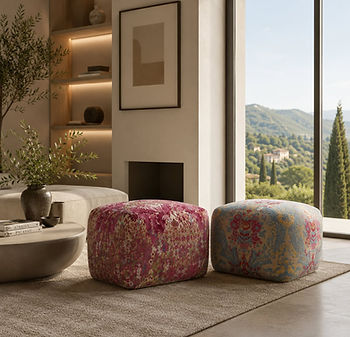
Luxury fabrics are often associated with fine silks, intricate patterns and prestigious textile houses. Yet the qualities that make a fabric truly exceptional are not always immediately obvious. Some of the finest textiles are surprisingly understated, their character revealed through the quality of the weave, the way they respond to light and the craftsmanship behind their production.
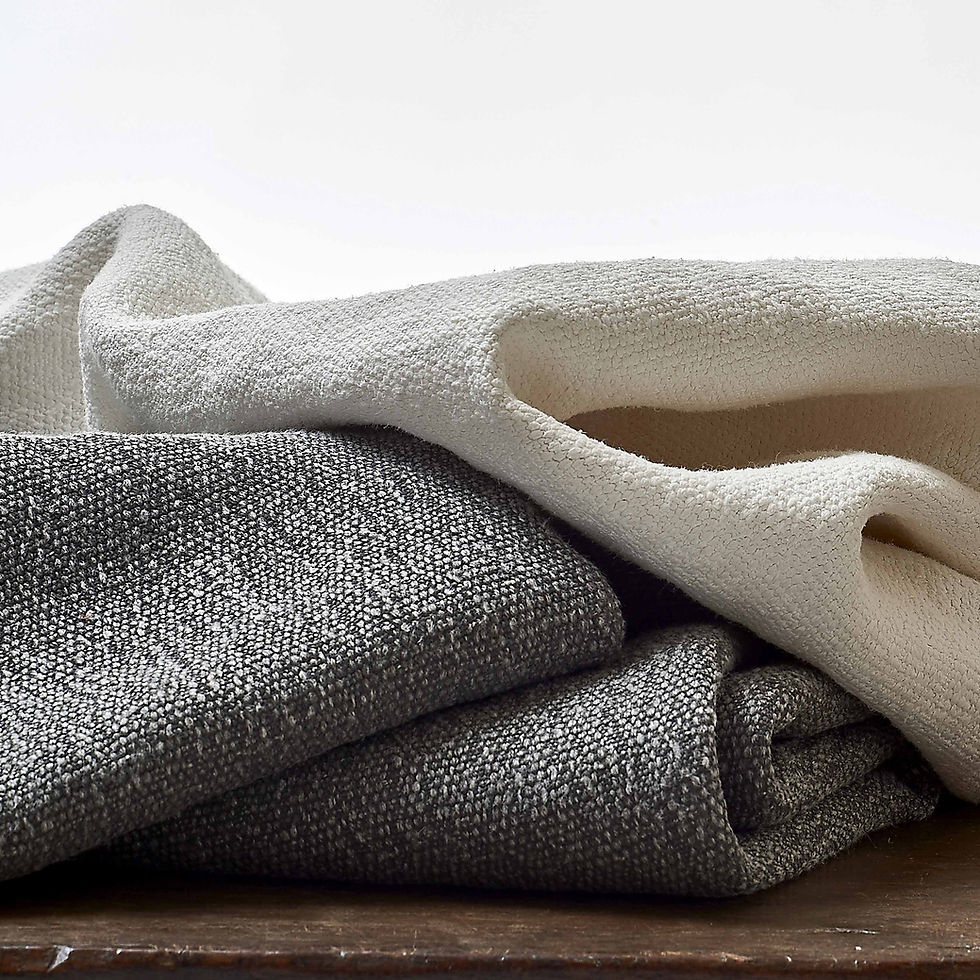
For interior designers, recognising these distinctions is an important part of selecting fabrics for high-end interiors. Two textiles may appear almost identical in a photograph, yet feel entirely different when handled. Their weight, texture, drape and finish can influence not only their appearance but also how successfully they work within a room.
Natural fibres such as silk, linen, wool and cotton have long been associated with luxury interiors. However, the use of an expensive fibre does not necessarily guarantee an exceptional fabric. The quality of the yarn, the weaving technique and the finishing process all contribute to the final result. A beautifully woven linen, for example, can possess as much character and refinement as an elaborate silk damask, despite their very different appearances.
Weaving is one of the most important, yet often overlooked, aspects of fabric quality. The way yarns are interlaced determines not only the strength and structure of a textile but also its texture, depth and ability to reflect light. In damasks, brocades and velvets, subtle variations in construction can produce remarkably different effects, giving fabrics a richness that is difficult to appreciate from photographs alone.
Some of Europe's most respected textile houses, including Luigi Bevilacqua and Prelle, have preserved specialist weaving techniques developed over generations. Their collections demonstrate how traditional craftsmanship continues to influence contemporary interiors. The depth of a woven pattern, the character of a velvet or the complexity of a silk damask often reflects considerable knowledge and skill, much of which remains invisible in the finished fabric.
Colour is another element that can reveal the quality and character of a textile. A single shade may appear entirely different depending on the fibre, weave and finish. Velvet can absorb light to create deep, saturated tones, while silk reflects it, revealing subtle variations as the fabric moves. Linen often has a softer, more natural appearance, with slight irregularities that contribute to its individuality.
These characteristics become particularly important when fabrics are introduced into an interior. Natural and artificial light change throughout the day, influencing how colours and textures are perceived. A fabric that appears rich and vibrant in a showroom may take on a more subdued character in a north-facing room. This is why viewing larger samples in the intended setting remains such an important part of the selection process.
Weight is frequently associated with quality, although a heavier fabric is not necessarily a better one. A substantial upholstery velvet and a lightweight silk may both be exceptional examples of their kind. What matters is the relationship between the material and its intended purpose. Curtains need to fall naturally, upholstery must respond to the shape of the furniture, and decorative fabrics should retain the qualities that make them distinctive when used across a larger surface.
Technical specifications also have their place in assessing fabric quality, particularly for upholstery and frequently used interiors. Abrasion resistance, lightfastness and suitability for particular applications are important considerations, but no single measurement can define a luxury textile. A high thread count, for example, does not automatically indicate superior quality, as different weaving techniques require different yarn densities to achieve their intended appearance and performance.
There is also a distinction between technical perfection and character. Modern textile manufacturing allows for remarkable consistency and precision, yet some of the most desirable fabrics retain subtle variations that reflect the nature of their fibres or the methods used to produce them. These qualities are not necessarily imperfections. In the right setting, they bring individuality and a sense of depth that can be difficult to reproduce.
At Alton-Brooke, more than 35 years of working with established European textile houses have given us an appreciation of these differences. In our Chelsea Harbour showroom, fabrics can be examined beyond the limitations of photographs, allowing designers to compare textures, finishes and the way different materials respond to light. Often, it is only when samples are placed alongside one another that their individual qualities become fully apparent.
Experience also plays an important role in recognising exceptional textiles. Designers who regularly work with fine fabrics develop an understanding of how different materials behave, how they interact with other finishes and how their appearance may change once installed. A fabric that initially seems understated can become one of the defining elements of an interior, while a more elaborate textile may be most effective when used with restraint.
Perhaps the most interesting aspect of luxury is that it cannot always be measured. Price, fibre composition and technical specifications provide useful information, but they rarely tell the complete story. The lasting appeal of a fabric often comes from a combination of craftsmanship, thoughtful design and an understanding of how the textile will ultimately be used.
The finest fabrics are not necessarily those that attract the most immediate attention. They are the ones that bring depth, comfort and individuality to an interior, often through details that are difficult to define but become increasingly apparent over time.
At Alton-Brooke, this understanding continues to guide the collections we represent. We believe that true luxury lies not simply in the materials themselves, but in the knowledge, craftsmanship and careful consideration that allow exceptional fabrics to become part of equally exceptional interiors.


Comments